The Ramayana · Start here
The Ramayana in seven books
5 min read · as told in the Valmiki Ramayana
Book one: a prince is born
The demon king Ravana had won a boon from the god Brahma: no god, no demon, no celestial being could kill him. Holding humans in contempt, he had not asked to be safe from them. As he tormented the three worlds, the gods turned to Vishnu and asked him to be born as a man.
In Ayodhya, King Dasharatha had long prayed for sons. After a great sacrifice, his three queens gave birth to four: Kausalya to Rama, Kaikeyi to Bharata, and Sumitra to Lakshmana and Shatrughna. The epic says each carried a portion of Vishnu.
When Rama was still young, the sage Vishvamitra took him and Lakshmana to the city of Mithila, where King Janaka had promised his daughter Sita to whoever could string the great bow of Shiva. Rama lifted the bow, strung it and broke it in two with a crash like thunder that left almost everyone senseless, and Sita became his wife. Explore next: Shiva’s bow and the wedding of Rama and Sita
Book two: a promise and an exile
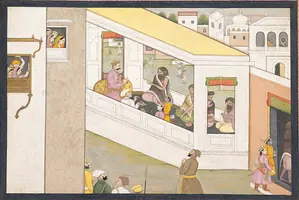
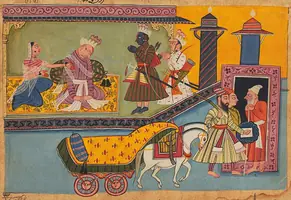
Years passed, and Dasharatha decided to make Rama his heir. But long ago, when he lay wounded in battle, Queen Kaikeyi had carried him to safety, and he had promised her two boons. Now, afraid for her own son, she claimed them: Bharata was to be heir, and Rama was to live in the forest for fourteen years.
Dasharatha sat on the bare ground in shame and begged her to ask for anything else. But Rama, when he heard of the promise, would not let his father’s word be broken. He vowed to go, and said he did not speak in two ways. Sita refused to stay behind; without him, she said, even heaven was not worth having. Lakshmana asked to go too, to walk ahead of them and keep watch. Soon after they left, Dasharatha died of grief, remembering a curse from his youth that had said he would.
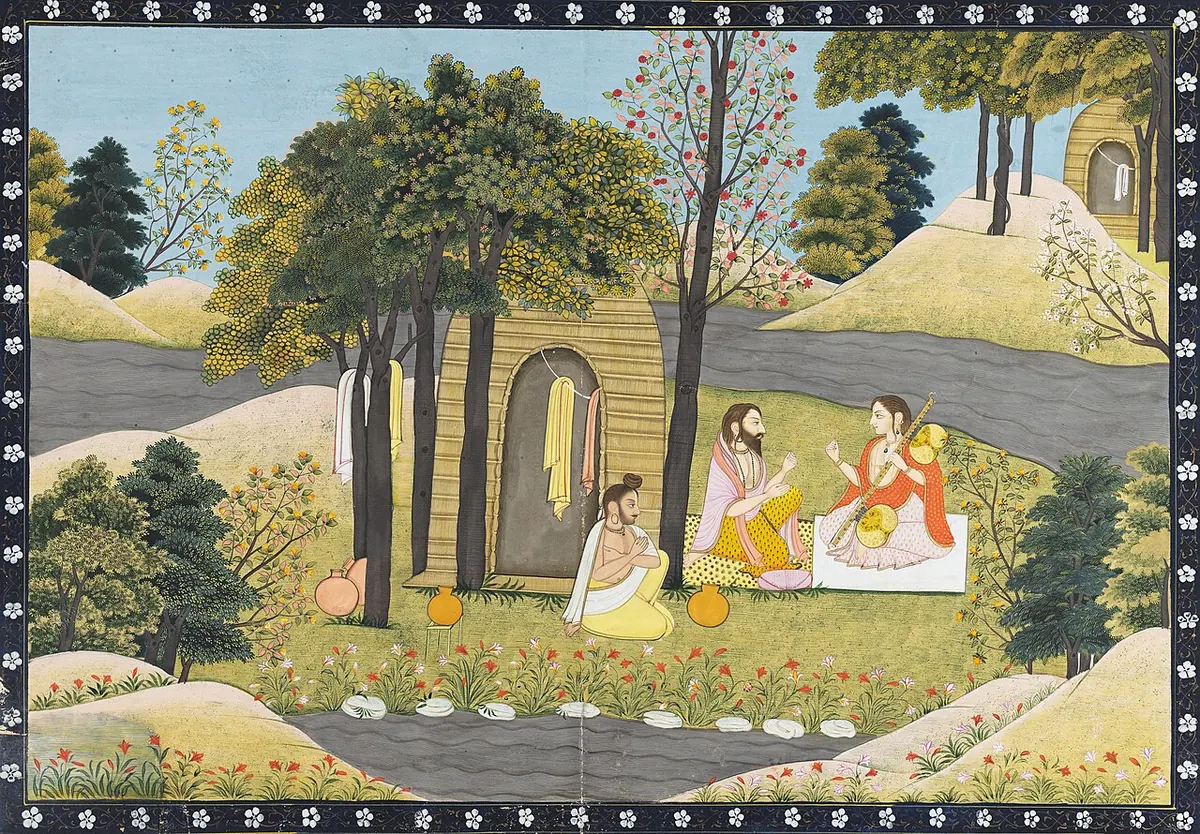
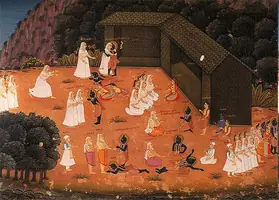
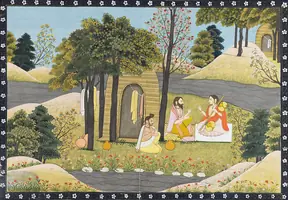
On the way into the forest the three exiles stopped with the sage Bharadvaja, where the Ganga and Yamuna meet. He sent them on to Chitrakuta, a quiet hill full of fruit and honey, and there Lakshmana built them a hut of leaves.
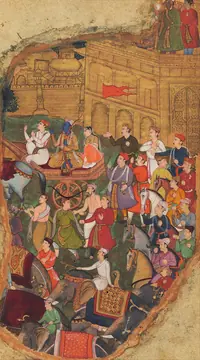
Bharata came home, refused the throne and went to the forest to bring Rama back. Rama would not return. So Bharata took his brother’s sandals, set them on the throne and ruled only in Rama’s name, living outside the city as an ascetic until Rama came home. Explore next: Why did Bharata refuse to become king?
Book three: the forest
Deep in the forest, Ravana’s sister Shurpanakha came to Rama and was turned away. When she attacked Sita, Lakshmana disfigured her, and she fled to her brother Khara. Rama killed Khara and destroyed the army that he and Dushana led. Then Shurpanakha went to Ravana himself, told him of their deaths and described Sita’s beauty, saying she would make him a fitting wife. Ravana made a plan. The demon Maricha took the form of a golden deer and drew Rama far from his hut. With Sita alone, Ravana seized her and carried her through the sky to Lanka. Explore next: Why did Ravana take Sita?
Book four: new friends
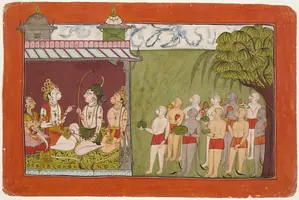
Searching for Sita, Rama and Lakshmana came to the land of the vanaras. There they met Hanuman, minister to the exiled vanara prince Sugriva. Before a sacred fire that Hanuman kindled, Rama and Sugriva swore friendship, and Sugriva sent his vanaras out in every direction to find Sita. Among those who went south were the young prince Angada, the wise elder Jambavan and Hanuman, son of the wind god. Explore next: Hanuman
Book five: the leap
Hanuman crossed the sea to Lanka in a single leap. In a grove of Ashoka trees he found Sita, thin from fasting and surrounded by guards. Ravana had given her two months to accept him or be killed, and still she would not give way. Hanuman gave her Rama’s ring so she would know he came from Rama, and she gave him the jewel from her hair to carry back. Before he left, he set Lanka alight. Explore next: Hanuman’s search for Sita
Book six: the war
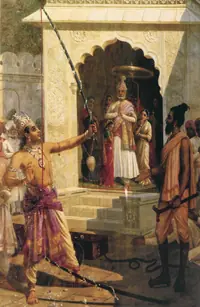
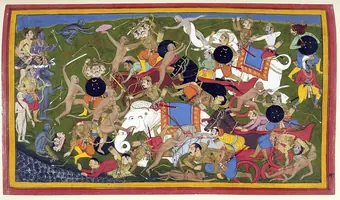
Ravana’s own brother Vibhishana left him and came to Rama. Sugriva feared he was a spy, but Rama took him in, vowing to protect anyone who seeks refuge even once. The ocean itself rose to tell Rama that the vanara Nala could build a bridge, and in five days the vanaras carried trees and rocks into the sea until the bridge reached Lanka. After a long war, When Rama and Lakshmana were struck down, Hanuman flew to the Himalayas and brought back a whole mountain of healing herbs. At last Rama killed Ravana with an arrow made by Brahma. He returned to Ayodhya, where Bharata gave back the kingdom, and he was crowned king. Explore next: The war in Lanka and Rama’s return
Book seven: after the crowning
The last book tells what came after. Because his people still doubted Sita, Rama sent her away to the forest, and at the hermitage of the poet Valmiki she gave birth to their two sons. Some scholars think this book was added to the poem later, and many retellings tell its events differently. Explore next: Why are there many Ramayanas?
End of the overview.
This telling also appears on the story page The Ramayana in seven books.
In this chapter
 Person or deityRama
 Person or deitySita
 Person or deityHanuman
 Person or deityDasharatha
 Person or deityKaikeyi
 Person or deityBharata
 Person or deityLakshmana
- Person or deityRavana
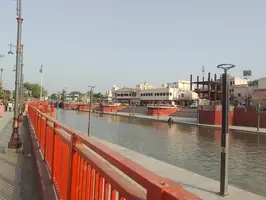 PlaceAyodhya
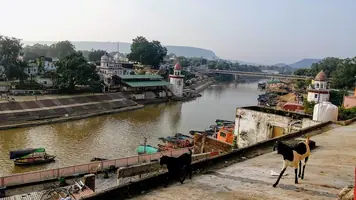 PlaceChitrakuta
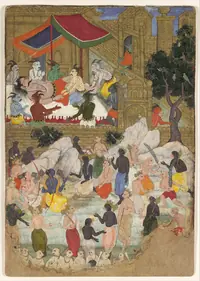 PlaceLanka
- Person or deityVishvamitra
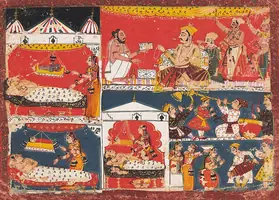 Person or deityKausalya
 Person or deityJanaka
 Person or deitySugriva
- Person or deitySumitra
- Person or deityShatrughna
 Person or deityVibhishana
- Person or deityMaricha
Also named in this chapter
- Brahma
- The god whose boon made Ravana safe from gods and demons, though not from humans. Rama's final arrow was made by him.
- Vishnu
- The god whom the gods asked to be born as a man. The epic says each of the four princes carried a portion of him.
- Shiva
- The god whose great bow Rama strung and broke.
- Bharadvaja
- The sage at the meeting of the Ganga and Yamuna, who sent the exiles on to Chitrakuta.
- Shurpanakha
- Ravana's sister. Turned away by Rama, she attacked Sita and was disfigured by Lakshmana.
- Khara and Dushana
- Rakshasa leaders whose army Rama destroyed.
- Angada
- A young vanara prince in the search party that went south.
- Jambavan
- The wise elder of the search party that went south.
- Nala
- The vanara who built the bridge to Lanka.
- Valmiki
- The poet of the Ramayana, at whose hermitage Sita gave birth to her two sons.
Keep exploring
- StoryThe Ramayana in seven books
 QuestionWhat is the Ramayana, and who wrote it?
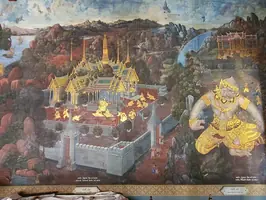 QuestionWhy are there so many versions of the Ramayana?
Sources
- Encyclopaedia Britannica, "Ramayana" · Verified
- Valmiki Ramayana, Bala Kanda sarga 15; 1.18.8–14; sargas 66–67 · Verified
- Valmiki Ramayana, Ayodhya Kanda 2.9.11–21; 2.11.25–26; 2.18.28–30 · Verified
- Valmiki Ramayana, Ayodhya Kanda sargas 30–31; sarga 64; 2.112.10–26 · Verified
- Valmiki Ramayana, Ayodhya Kanda 2.12.3–7; 2.18.28–30; sargas 54 and 56; sarga 115 · Verified
- Valmiki Ramayana, Aranya Kanda 3.18.1–26; 3.30.28–34; 3.34.3–27; sarga 44; 3.49.16–23 · Verified
- Valmiki Ramayana, Kishkindha Kanda 4.3.1–35; 4.5.12–31 · Verified
- Valmiki Ramayana, Sundara Kanda sargas 15 and 22; 5.36.2–4; sargas 38 and 54 · Verified
- Valmiki Ramayana, Yuddha Kanda sargas 18, 22, 74, 108 and 128 · Verified