The Ramayana · Book 5, Sundara Kanda
Rama's ring, Sita's jewel
Chapter 27 of 41 · 3 min read · as told in the Valmiki Ramayana, Sundara Kanda
How to speak to her
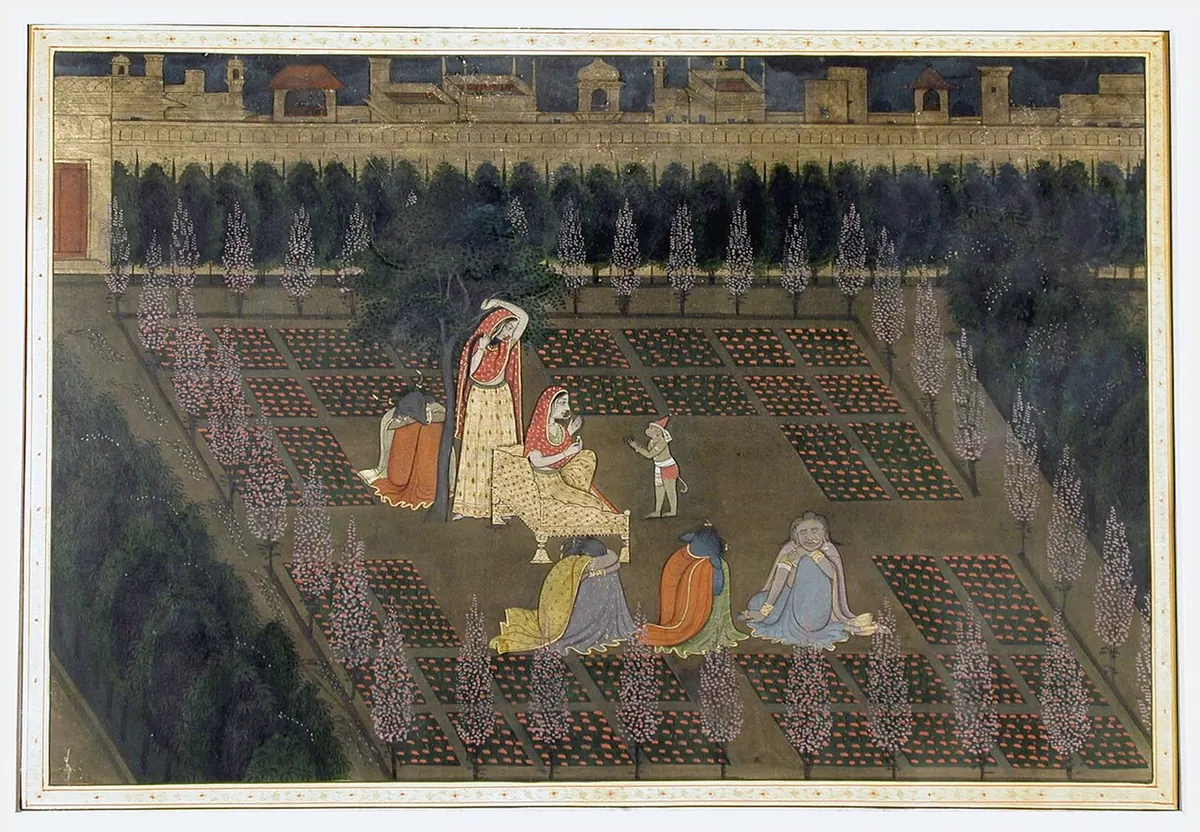
Hanuman sat hidden in the tree and thought hard. If he stayed silent, Sita might give up hope. If he spoke suddenly, she might take him for Ravana in disguise and cry out, and the guards would come running. He decided to speak gently, in plain words, and to speak of Rama, so that her mind would turn to her husband and be calmed.
A story told softly
So he began, very quietly, to tell a story within her hearing. He spoke of King Dasharatha, and of his son Rama, who went to the forest to keep his father’s word; of how Sita was carried away; of Rama’s friendship with Sugriva; and of the vanaras sent out to find her. He ended with his own leap across the sea.
Sita looked up into the tree, astonished, and saw him: a small vanara among the leaves, speaking of Rama.
The ring
Hanuman came down, bowed, and told her who he was: Rama’s messenger, a minister of Sugriva. Then he held out a ring engraved with Rama’s name. Rama gave me this, he said, so that you would know me. Take heart.
Sita took the ring and held it, and her face lit up like the moon coming out from behind a cloud. It was as if she had reached her husband himself. You must be no ordinary vanara, she told Hanuman, to cross that ocean as if it were the water in a cow’s hoofprint, and Rama would never send someone untested. Then the questions poured out. Was Rama well? Was he grieving? Did he still love her? Would he come for her? And how were Lakshmana and the queens in Ayodhya?
Why she would not go
Hanuman wanted to end her suffering that very hour. Climb on my back, he said, and I will carry you across the sea to Rama.
Sita doubted that so small a vanara could carry her. So Hanuman grew before her eyes, as big as a mountain. Sita saw his strength, but still she said no. She might fall into the sea from the speed of his flight. The rakshasas would chase them, and Hanuman would have to fight while carrying her. They might even take her back and hide her where no one would ever find her. And she would not willingly touch anyone but Rama.
Above all, she said, this is Rama’s work. Let Rama come himself, with Lakshmana and the vanara army, defeat Ravana, and take me home with honour. That will be worthy of him.
A memory and a jewel
Hanuman asked for a sign to take to Rama, something only she and he would know. Sita remembered a day at Chitrakuta. A crow had come and pecked at her again and again, until it wounded her. When Rama saw what had happened, he took up a blade of grass and charged it with a divine weapon, and it chased the crow through all the worlds. The crow was the son of Indra, but no one would shelter it, not even the gods, until at last it came back and fell at Rama’s feet for refuge. Rama spared its life, and the weapon took only one of its eyes.
Remind him of that, Sita said. He did that for a crow. Why does he not come for me now?
Hanuman reassured her. Rama grieved for her day and night, he said, and Lakshmana too. They would come, defeat Ravana and take her home to Ayodhya.
Then Sita gave her messages: her greetings to Rama and to Lakshmana, who looked on Rama as a father and on her as a mother. Tell Rama, she said, that I can hold on for only one more month. She untied a jewel she had kept hidden in her clothing, the jewel she wore in her hair, and gave it to Hanuman for Rama. It was too small for his arm, so Hanuman slipped it on his finger. He walked around her respectfully, bowed, and prepared to go, his heart already with Rama.
End of chapter 27.
In this chapter
 Person or deityHanuman
 Person or deitySita
 Person or deityRama
 Person or deityLakshmana
- Person or deityRavana
 Person or deitySugriva
 PlaceLanka
 PlaceChitrakuta
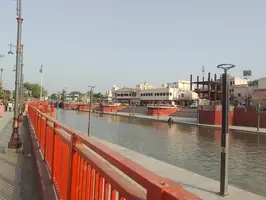 PlaceAyodhya
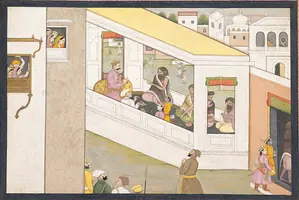 Person or deityDasharatha
Also named in this chapter
- Indra
- King of the gods; the crow at Chitrakuta was his son.
Keep exploring
Sources
- Valmiki Ramayana, Sundara Kanda 5.30.1–44 · Verified
- Valmiki Ramayana, Sundara Kanda sarga 31 · Verified
- Valmiki Ramayana, Sundara Kanda 5.36.1–31 · Verified
- Valmiki Ramayana, Sundara Kanda sarga 37 · Verified
- Valmiki Ramayana, Sundara Kanda 5.38.12–73 · Verified